The Story Behind Michael Jackson’s Iconic Moonwalk [VIDEO]

The Story Behind Michael Jackson’s Iconic Moonwalk
The moonwalk is one of the most recognizable dance moves in music history, forever linked to the legendary Michael Jackson. But according to his brother Marlon Jackson, the famous move didn’t originally come from Michael himself.
During a recent radio interview, Marlon shared the story behind how the King of Pop learned the move that would later become a defining moment in pop culture.
Before it became known as the moonwalk, the dance move was called the “backwards slide.” Marlon revealed that Michael was first introduced to the move by his nephew, who showed him the basic technique. Fascinated by the illusion of gliding backward while appearing to walk forward, Michael immediately began working to master it.
Later, professional dancer and choreographer Jeffrey Daniel helped take the move to another level. Daniel, a member of the R&B group Shalamar, had previously performed the backwards slide on the legendary TV show Soul Train in 1979. His performance caught Michael’s attention.
Daniel eventually met Michael in 1980, and the two began working together to refine the move. With Daniel’s guidance, Michael perfected the technique and added his own signature style and flair, transforming the backwards slide into what the world now knows as the moonwalk.
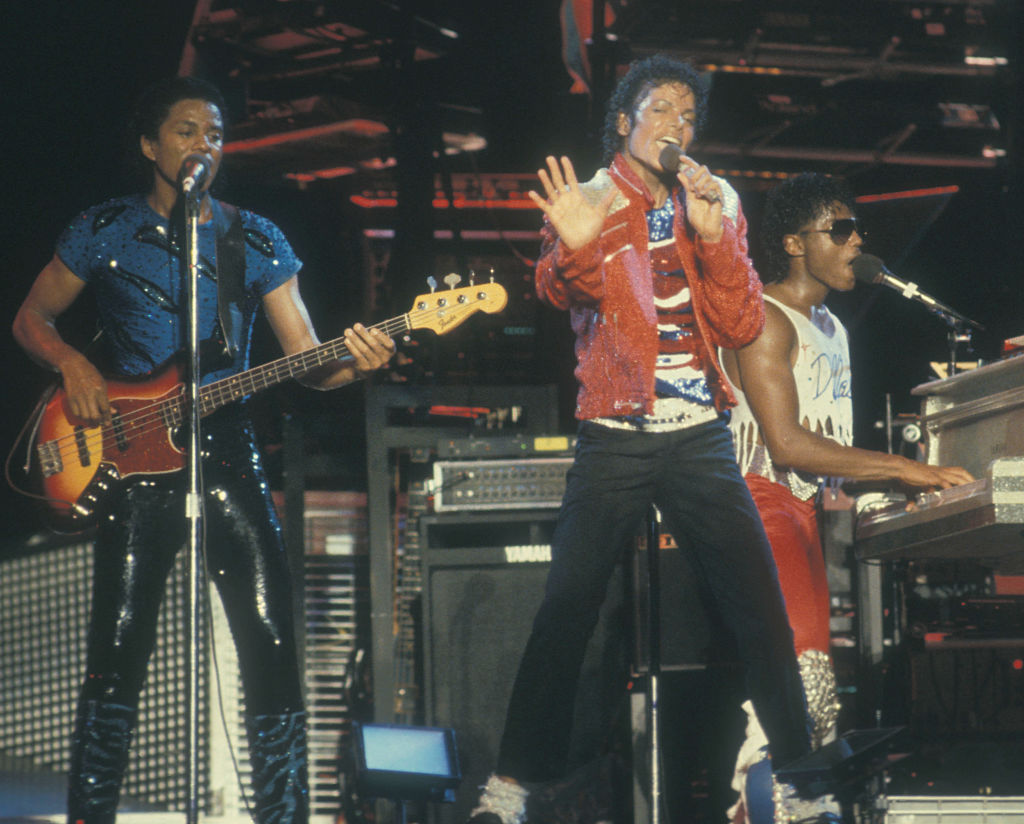
The move exploded into global fame when Michael performed it during his performance of Billie Jean on the TV special Motown 25: Yesterday, Today, Forever. The performance stunned audiences and instantly became one of the most memorable moments in music history.
Jeffrey Daniel’s work with Michael didn’t stop there. He later co-choreographed the music videos for Michael’s hit songs Beat It and Smooth Criminal. Daniel also traveled with Michael to Brazil for the filming of They Don’t Really Care About Us, continuing their creative collaboration.
While Michael Jackson made the moonwalk legendary, Marlon’s story highlights how the move was shaped by multiple creative influences along the way. What started as a simple street dance technique evolved into a global cultural moment—thanks to collaboration, creativity, and Michael’s unmatched ability to turn a move into magic.