Ohio Marijuana & Hemp Law Changes Head to DeWine's Desk
Ohio Marijuana & Hemp Law Changes Head to DeWine’s Desk

- Reduces allowable THC potency in adult-use marijuana extracts from 90% to 70%.
- Prohibits public consumption of marijuana, including edibles, and sets new transportation rules.
- Regulates hemp-derived THC products, requiring them to be sold through licensed marijuana dispensaries.
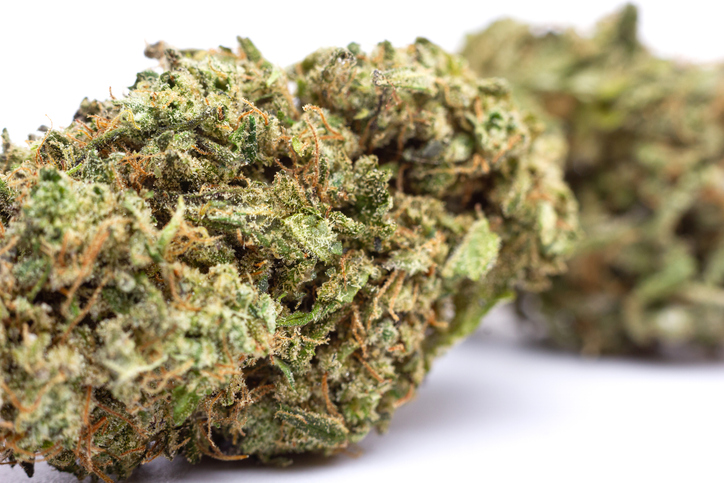
A wide-ranging bill that revises Ohio’s marijuana laws and reshapes how hemp-derived THC products are sold is now awaiting action from Gov. Mike DeWine.
The Ohio Senate passed the legislation Tuesday on a 22–7 vote after the House approved it last month. If signed, Senate Bill 56 would impose new limits on recreational marijuana use approved by voters in 2023.
RELATED: Ohio Minimum Wage Will Increase in 2026 Under New Proposal
Changes to Ohio marijuana law
Recreational marijuana remains legal in Ohio, but the bill adds new restrictions to how it can be possessed, used, and transported.
Under S.B. 56, Ohioans would only be allowed to possess marijuana grown or purchased legally within the state. Marijuana bought elsewhere, including in nearby states like Michigan, would be considered contraband.
The bill also reduces allowable THC potency in adult-use marijuana extracts. Current law allows products with up to 90% THC. The legislation lowers that cap to 70%.
The measure includes a record-sealing provision for people with past minor marijuana convictions. If their prior offense would now be legal under Ohio law, they could request to have their record erased.
Additional changes include a statewide ban on public marijuana smoking, new packaging requirements, and criminal penalties for growing more than 12 plants per household or more than six plants per person.
RELATED: Ohio’s Recreational Marijuana Rollout Among Best In US
Public use and transportation rules
One of the most significant shifts affects public consumption. Current law treats marijuana smoking similarly to tobacco, meaning it is allowed on private property with permission. Under S.B. 56, Ohioans would be prohibited from knowingly consuming any adult-use marijuana in public spaces.
That ban could also apply to edibles.
“That brings up the question, can you consume a gummy in public? That’s something that was allowed under Issue 2 that is no longer allowed potentially under S.B. 56,” said Jana Hrdinová, administrative director of Ohio State’s Drug Enforcement and Policy Center.
Ohioans currently spend more than $2 million per week on marijuana edibles, according to state data. If edibles are deemed illegal to consume in public, violations could result in fines of up to $150.
Opened marijuana products and paraphernalia would have to be stored in a vehicle’s trunk or behind the last upright seat if no trunk is available. That means items like vape pens or gummies could no longer be kept in a purse, backpack, or glove compartment.
Violating transportation rules could also lead to a minor misdemeanor and a fine of up to $150.
Home grow penalties
S.B. 56 keeps the current home-grow limits: up to six plants per person and 12 plants per household. But, increases the stakes for exceeding them.
Anyone who knowingly grows more than the allowed number could face illegal cultivation charges ranging from a minor misdemeanor to a felony, depending on the circumstances.
Lease agreements that prohibit smoking, combusting, or vaping marijuana would still be upheld. Earlier versions of the bill included criminal penalties for violating those leases, but that provision was removed before final passage.
Hemp products and THC beverages
Gov. DeWine has pushed lawmakers for years to address intoxicating hemp products, which he has said were being sold to children through a legal loophole. After lawmakers failed to act, DeWine issued an executive order banning them. A judge later temporarily blocked that ban.
Initially, lawmakers planned to regulate hemp-derived THC products. But after Congress moved to ban intoxicating hemp products nationwide beginning next year, Ohio lawmakers stripped many hemp provisions from the bill.
As passed, S.B. 56 treats intoxicating hemp products similarly to marijuana, requiring them to be sold exclusively through licensed marijuana dispensaries.
The bill does not permanently ban THC-infused beverages. Instead, it temporarily legalizes them through the end of 2026. If Congress alters or reverses its federal hemp ban before it takes effect next November, Ohio lawmakers say they will consider a broader regulatory framework to extend legalization beyond that date.
- Rachel Dolezal, Now Nkechi Diallo, Reinvents Her Life And Career
- Ohio Primary Election Guide: Dates, Registration & the Ballot
- Rachel Dolezal, Now Nkechi Diallo, Reinvents Her Life and Career
- Bengals Focus On Defense In Latest 3-Round Mock Draft
- Kerry Washington, LaTanya Richardson Jackson, And Chase Infiniti Cover Essence’s Black Women In Hollywood Issue
- A Timeline Of Black Oscar Winners
- Kash Patel Has Turned The FBI Into His Girlfriend’s Personal Chauffeur Service, Former Officials Say It’s Unprecedented
- Keith Lee Takes A Bite Out Of The Food Business By Investing In Brooklyn Dumpling Shop
- T.I. Speaks On 50 Cent Feud, Says Son King Harris Needs To 'Chill Out' After Wearing Shirt With 50's Mom On It
- Keke Palmer Spills The Tea On Darius Drama, Motherhood & Manifesting Her Comeback On 'Uncensored'
Ohio Marijuana & Hemp Law Changes Head to DeWine’s Desk was originally published on thebuzzcincy.com